
 |
|
|
|
|
 |
 |
 |
 |
|
HOME
 |
 |
 |
 |
 |
 |
 |
 |
|
 |
|
|||
Just released on YouTube |
|||||
|
|||||
New YouToube channel on the making and meaning of the US ConstitutionDownload Discussion Questions for each episode. |
|||||

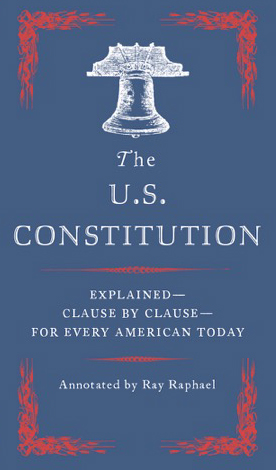
AVAILABLE NOW: The U.S. Constitution: Explained - Clause by Clause - for Every American Today
 |
 |
 |
 |
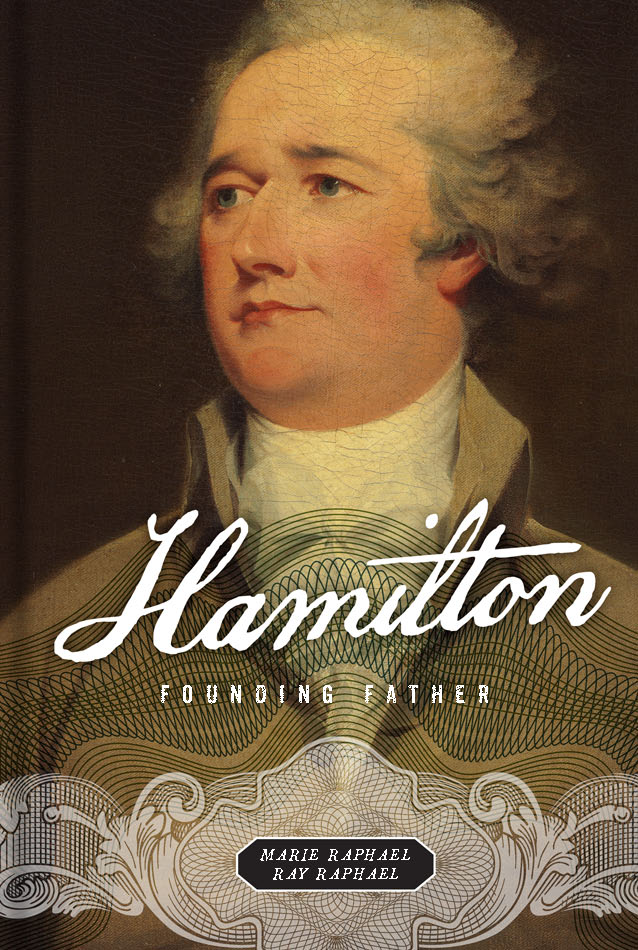 |
 |
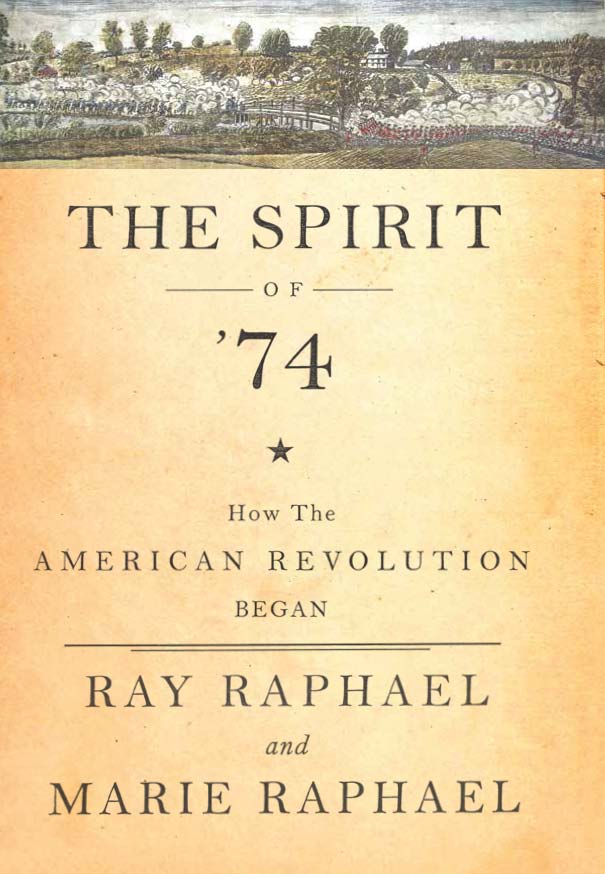 |
 |
Thirty years ago, Ray Raphael entered Revolutionary Era America and he has never fully returned. His several books on the subject take readers on exciting journeys through our nation’s founding.
Three themes inform his work:
Highlight the oft-neglected actors on history’s stage, in their own words when possible.
From A People’s History of the American Revolution:
“During the Revolutionary Era, the everyday life for common people was deeply politicized. Each and every American charted some course midst the evolving ideologies, political alignments, economic constraints, and military realities. They had to pay attention to public happenings, project how their actions might affect their lives and the lives of their families, and calculate their own impact on the course of events. Some Americans could vote, most could not—but all took part in the political process. Whether upper, middling, or lower class, whether male or female, enslaved or free, Euro-American or Indigenous, they were all players on history’s stage.”
Focus on primary sources, contemporaneous accounts from the times.
Examples from the Massachusetts Revolution of 1774 are documented on this website.
Question self-serving mythologies.
From Founding Myths: Stories That Hide Our Patriotic Past
“Tales of the American Revolution were first communicated by word of mouth, and these folkloric renditions, infinitely malleable, provided fertile soil for the invention of history. Before the war, animated colonists gathered in taverns and meeting houses to rail against acts of Parliament; after the fighting was done, they downed pint after pint of hard cider while exchanging old war stories. For decades, participants told and retold what had happened, augmenting and enriching their skeletal memories of actual events, removing what was too painful to recall (no shortage there) while embellishing what could be seen as heroic (no shortage there either). At funerals or Fourth of July celebrations, orators used tales of the Revolution as grist for their rhetoric. This vibrant oral tradition, divested of any need for documentation, wandered freely. Through much of the nineteenth century, writers and orators transformed a bloody and protracted war into glamorous tales conjured from mere shreds of evidence. We repeat these classics today—Paul Revere’s ride, Patrick Henry’s “Give me liberty or give me death,” “Do not fire until you the see the whites of their eyes”— and we assume they are true representations of actual occurrences. Mere frequency of repetition appears to confirm their authenticity.
In 2013, the Massachusetts Humanities Council honored Raphael’s work with its Bay State Legacy Award:
Ray turns history upside down.
He challenges us to re-assess what we had accepted as fact -- to root out the myths, to account for vagaries of memory, and the biases of participants and chroniclers throughout time.
He prods us to remember who is telling the story, and why some stories never get told until someone like Ray -- or us -- unburies and publishes them.
He looks beyond the text to the context.
He doesn't mix up the ideas, ideals, and ideologies of now and then.
He reminds us that great movements and events often do not start with the presumed powerfully-connected movers and shakers, but with the little guys at the grassroots level.
He searches for the complexities of our human experience.
He digs through all the layers of meaning that generations of interpreters have assigned to historical characters and moments, and he finds some astounding evidence to change our thinking.
He provokes us, he shakes us up, he turns US upside down...and that's a damned good thing.
Twelve Questions for Ray Raphael: Interview with Todd Andrlik, Journal of the American Revolution.
©2004 Ray Raphael